


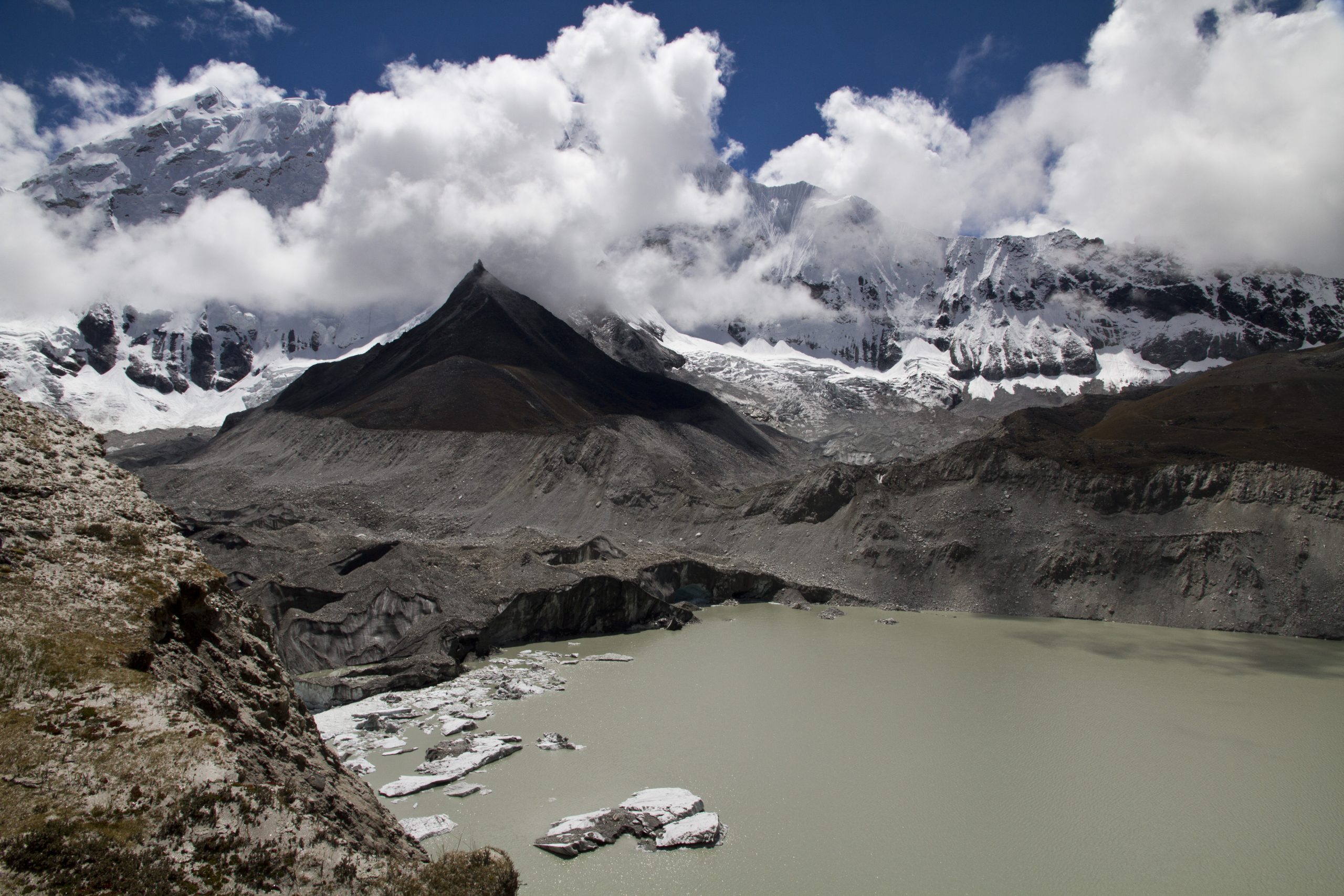
Nepal has launched a $49.94 million climate adaptation initiative to improve flood protection for vulnerable communities living in the Himalayan region and downstream river valleys.
The Government of Nepal and the United Nations Development Programme (UNDP) held an inaugural workshop for the GLOF Sanjibani Project in Kathmandu on 25 November 2026.
The programme comes amid growing concerns over glacier retreat, mountain flooding and the vulnerability of settlements and infrastructure across Nepal.
Nepal Glacial Flood Protection Project: Key Details
Scheduled to operate until 2033, the initiative is expected to provide direct benefits to more than 385,000 people, with approximately two million additional residents benefiting indirectly.
Funding has been secured from international climate finance, the Nepalese government and development partners.
| Funding source | Contribution |
|---|---|
| Green Climate Fund | $36.16 million |
| Government of Nepal | $11.32 million |
| UNDP | $2.14 million |
| Private-sector partners | $320,000 |
| Total | $49.94 million |
Why Glacial Lake Floods Are a Growing Concern in Nepal
Glacial lakes develop when meltwater accumulates near or around glaciers. In mountainous environments, these lakes may be contained by naturally formed barriers consisting of ice, rock and sediment.
If such a barrier fails, large quantities of water can travel rapidly through surrounding valleys, carrying debris and damaging settlements and infrastructure.
The consequences can extend well beyond the immediate location of a glacial lake.
Bridges, agricultural land, electricity facilities and transport connections may be affected downstream, leaving communities geographically distant from the original event exposed to disruption.
The risks were brought into sharp focus by the devastating flooding that affected northern Nepal earlier in 2026.
Nepal Monitor’s previous coverage of the Bhote Koshi flood disaster documented the damage to communities and essential infrastructure.
Four Himalayan Glacial Lakes Identified for Intervention
The programme targets four lakes within the Koshi and Gandaki river basins.
These include Lower Barun in Sankhuwasabha, Lumding Tsho and Hongu 2 in Solukhumbu, and Thulagi in Manang.
Planned engineering interventions involve reducing water levels at selected lakes, subject to appropriate environmental assessments and safety requirements.
Lowering water levels can help reduce pressure on natural barriers, although it cannot eliminate every potential cause of mountain flooding.
Regular monitoring and geological assessments will therefore remain important throughout the implementation period.
Improving Flood Monitoring and Early Warning Systems
One of the major challenges associated with mountain flooding is the speed at which dangerous conditions can develop.
Communities located along narrow river valleys may have limited evacuation options, particularly where settlements depend on a small number of transport connections.
Effective warning systems require more than monitoring equipment. Information must reach residents in time, be communicated clearly and be supported by practical emergency arrangements.
For local authorities, this means ensuring that vulnerable residents understand warnings and know how to respond when dangerous conditions arise.
Reliable communication is particularly important in remote communities where access to electricity and telecommunications may be limited.
Protecting Nepal’s Hydropower and Transport Infrastructure
Mountain flooding also presents significant economic risks for Nepal.
Hydropower facilities, bridges and strategic roads are frequently located near river systems, where severe flooding can interrupt operations and damage expensive infrastructure.
Disruption to electricity generation can affect businesses and households beyond the districts immediately impacted by a disaster.
Our analysis of Nepal’s economy in 2026 examines the wider relationship between hydropower investment, reconstruction and economic development.
Flood prevention measures could help protect these investments and reduce the financial burden associated with repeated infrastructure damage.
For tourism-dependent communities, reliable roads and safer access to mountain destinations are also important for maintaining economic activity.
Local Communities Will Play an Important Role
The effectiveness of Nepal’s glacial flood protection project will depend partly on the participation of local governments and residents.
Community knowledge can help authorities understand existing vulnerabilities, identify evacuation challenges and develop emergency arrangements appropriate to individual settlements.
The programme also places emphasis on inclusive participation, with women expected to account for 55% of direct beneficiaries.
Residents living downstream will be important stakeholders because the potential effects of glacial flooding extend beyond high-altitude communities.
What Happens Next?
The Kathmandu workshop marks the beginning of a longer implementation process involving technical assessments, coordination between government agencies and investment in flood prevention measures.
The announced funding represents a commitment to reducing future risks rather than confirmation that all planned protection systems are already operational.
As the programme progresses, its effectiveness will depend on the quality of implementation, continued monitoring and the ability of local communities to respond to emerging hazards.
For Nepal, the initiative represents an important opportunity to strengthen disaster preparedness while protecting livelihoods and infrastructure in vulnerable mountain regions.
Source: United Nations Development Programme Nepal, GLOF Sanjibani Project announcement, 25 November 2026.