


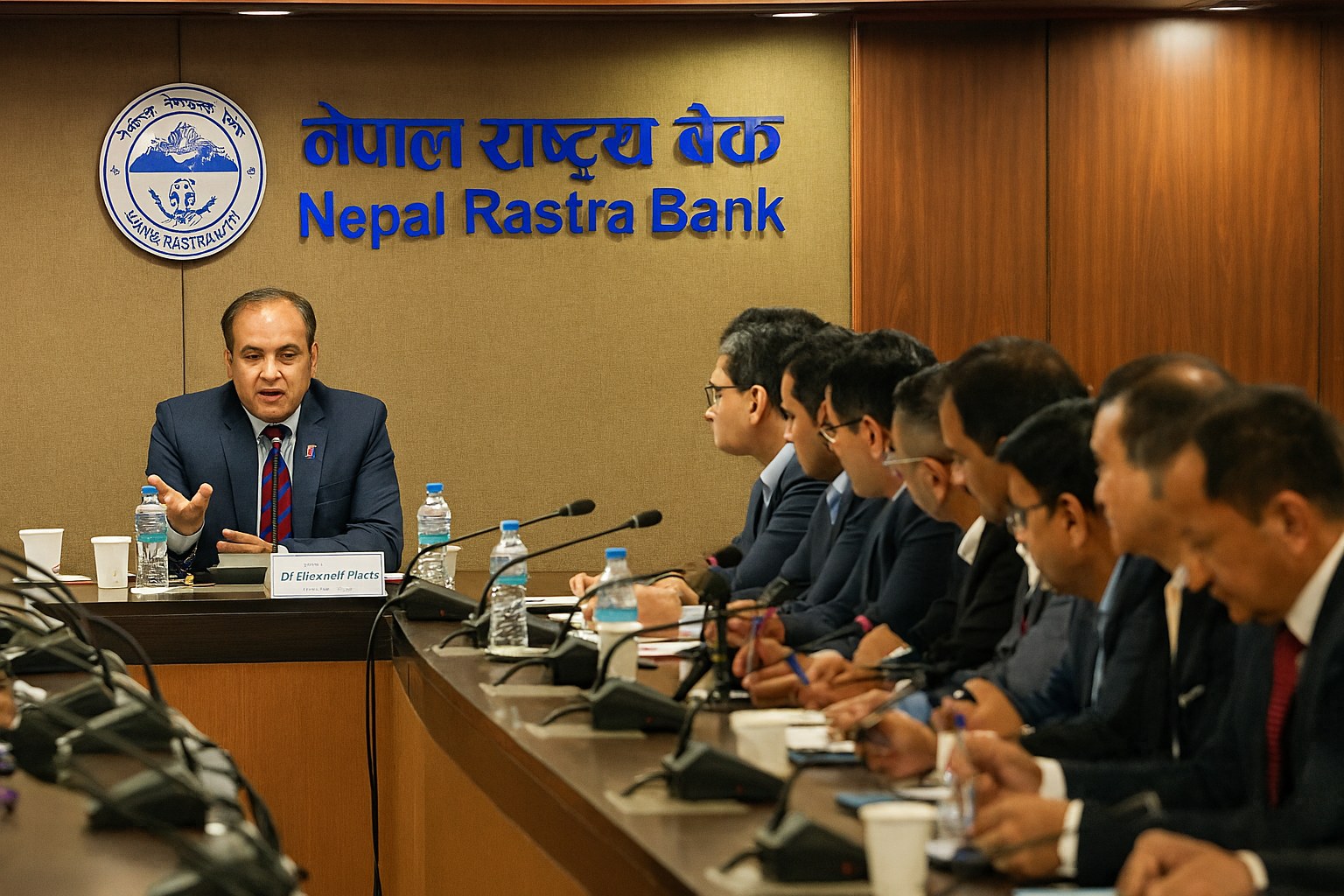
On Wednesday, Paudel met with chief executive officers from all 20 commercial banks, along with leaders from development banks and finance companies. He noted that more than 11 trillion rupees remain stuck in the system without flowing into loans. He called on bankers to take an active role in increasing credit supply.
Paudel stressed that agriculture should be the priority sector. He said that raising agricultural lending above 50 percent would help keep the economy active and support long-term stability. Bankers confirmed that the central bank also wants to see more loans directed toward infrastructure and private sector projects.
Bankers expressed readiness to expand agricultural lending but pointed to challenges. Large amounts of land-based loans remain idle, and recovery has become difficult. They reported that small borrowers are increasingly failing to pay installments, while local officials and representatives often obstruct recovery efforts.
They also raised concerns about provisioning rules. Current regulations require banks to make 100 percent provisions if loans remain unpaid for a year. Bankers argued that this rule adds pressure and should be reviewed to reflect ground realities.
At the conclusion of the meeting, Paudel assured bankers that Nepal Rastra Bank will support the campaign to increase agricultural lending. He committed to policy and institutional reforms that will make credit flow easier in agriculture and other productive sectors.